Method

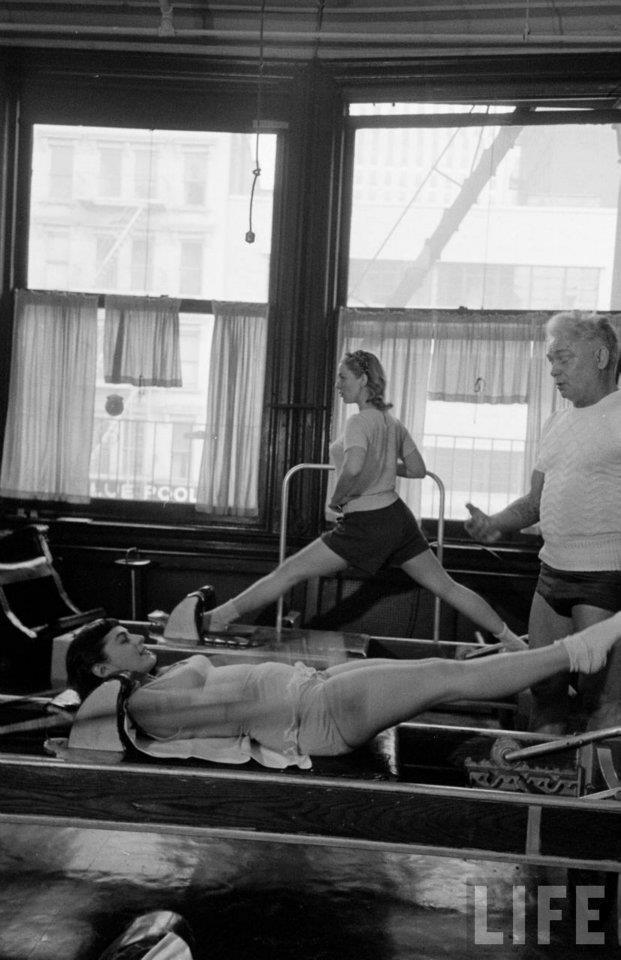
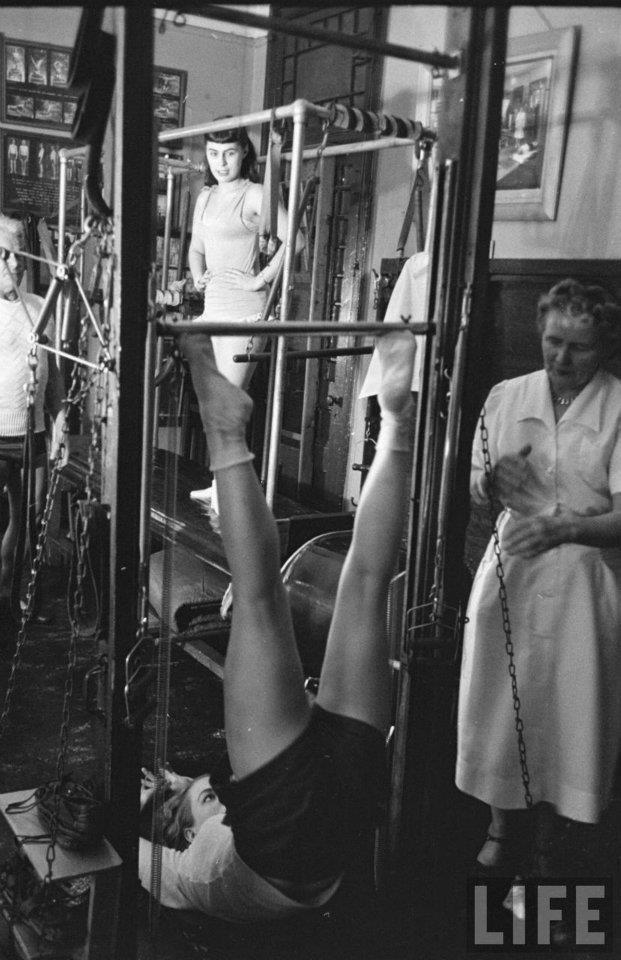
The Pilates method represents a true revolution in the field of physical exercise, an approach to bodywork without precedent or comparison. Its innovation lies particularly in the fact that the movements taught engage the entire musculature of the body, that is to say, both the visible muscles and the deeper ones, such as the postural muscles (abdominal and back), which are too often neglected by other practices.

This quest for balance among all muscle groups, repeatedly emphasizing the idea of ​​emanating all movements from a “powerful core,” requires concentration, control, and precision. Exercises must be performed with perfect alignment to achieve optimal results. These results manifest as a slimmer, more toned physique, a new stature, improved posture, a supple and resilient body, and a remarkable sense of vitality and well-being. The benefits of this discipline extend to the treatment of injuries and muscle imbalances resulting from sedentary lifestyles.

The structured series of floor exercises involved in the fundamental form of Pilates, engaging the entire body in a rigorous workout without impact on the joints, is accessible to all ages and fitness levels. Pilates will complement and enhance the effectiveness of your regular activities, providing a noticeable increase in strength and fundamental stability in your daily life: you will truly be transformed!

Pilates offers an exercise method that works the body in an unprecedented and unparalleled way. The movements engage all the body’s muscles, both the visible ones and the deep, often neglected ones. The result is a slimmer, more toned figure, a new posture, a flexible and resilient body, and a wonderful feeling of vitality and well-being.
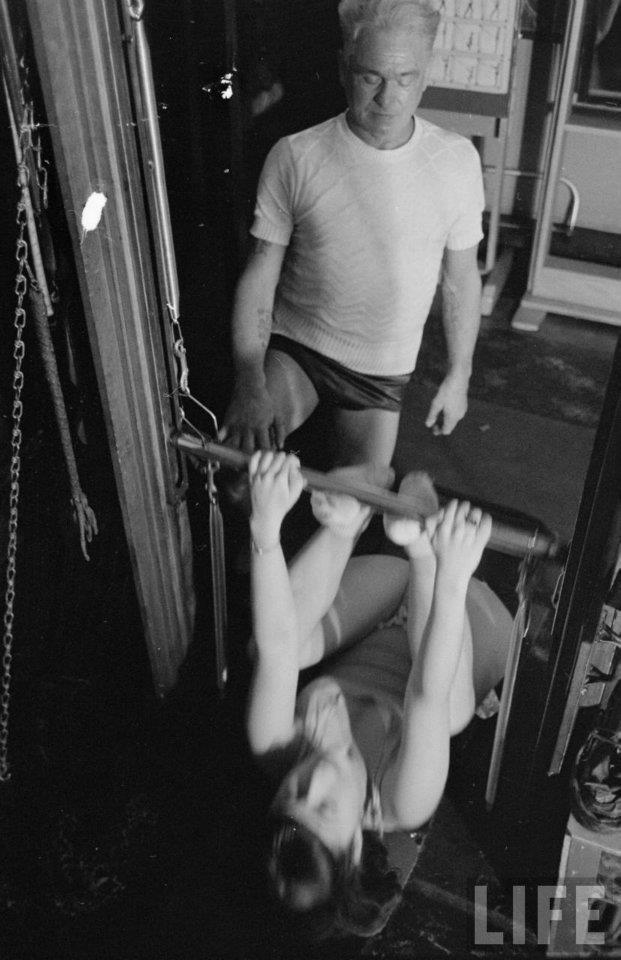
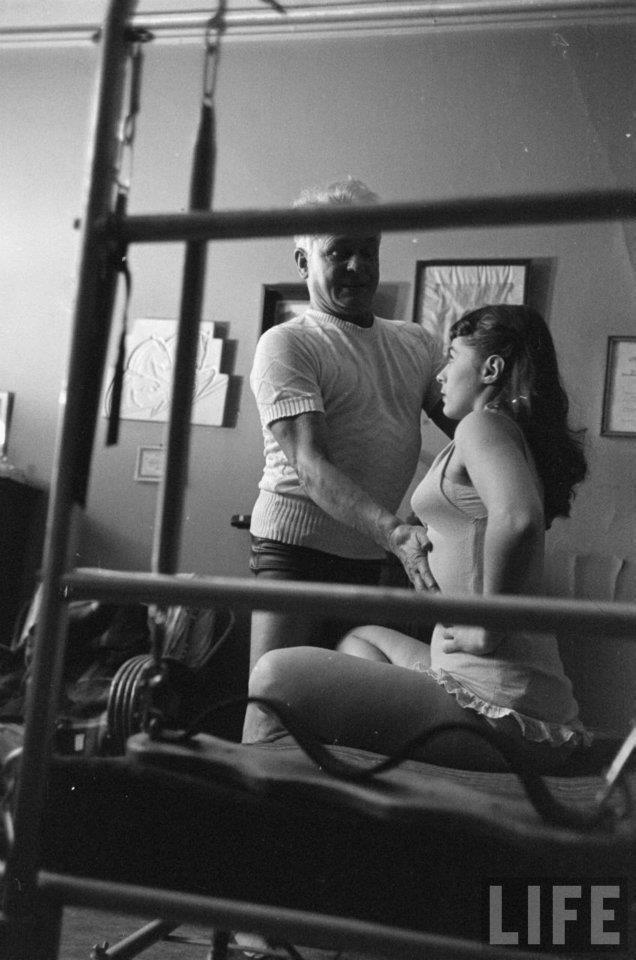
Born in Germany in 1880 to a German naturopathic mother and a Greek gymnast father, Joseph’s early life was marked by a frail childhood suffering from asthma, rickets, and acute rheumatic fever. This fragility motivated him to turn to weight training, yoga, and gymnastics at a young age to ensure he was in peak physical condition: by the age of 14, he was already posing as a model for anatomical portraits. He quickly came to directly attribute the most common human health problems to the “modern” lifestyle and its associated bad habits, such as poor posture and respiratory issues.
In 1912, Joe settled in England, where he earned a living as a boxer, circus performer, and self-defense instructor. At the outbreak of World War I, like all German citizens residing in Britain, he was declared an “enemy alien” and taken prisoner. The authorities imprisoned him and fellow Germans in an internment camp on the Isle of Man. These harsh conditions, however, had a decisive impact on the origins of his method: he spent all his time there training his fellow prisoners in fitness and conditioning exercises.
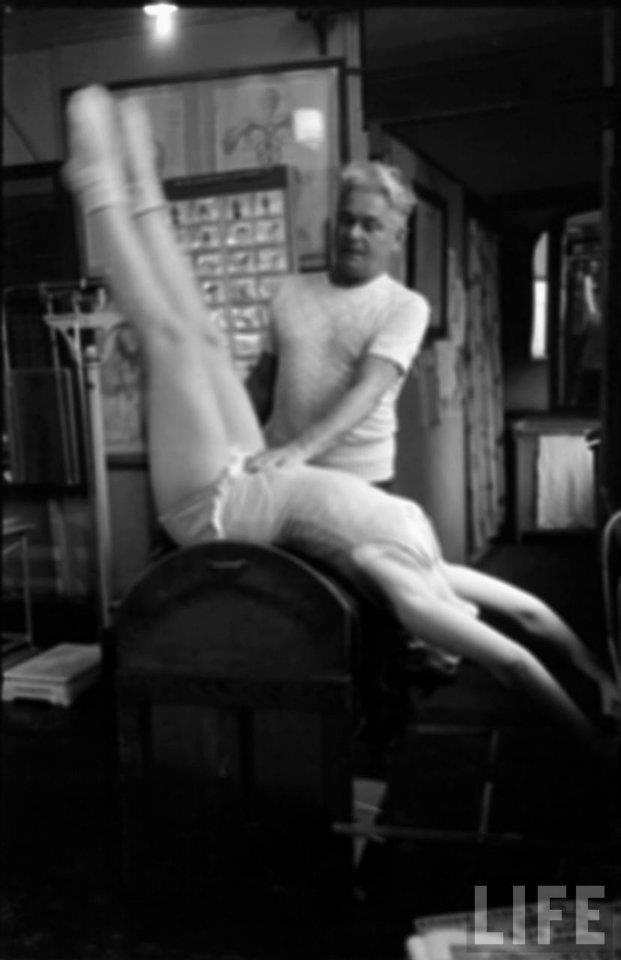
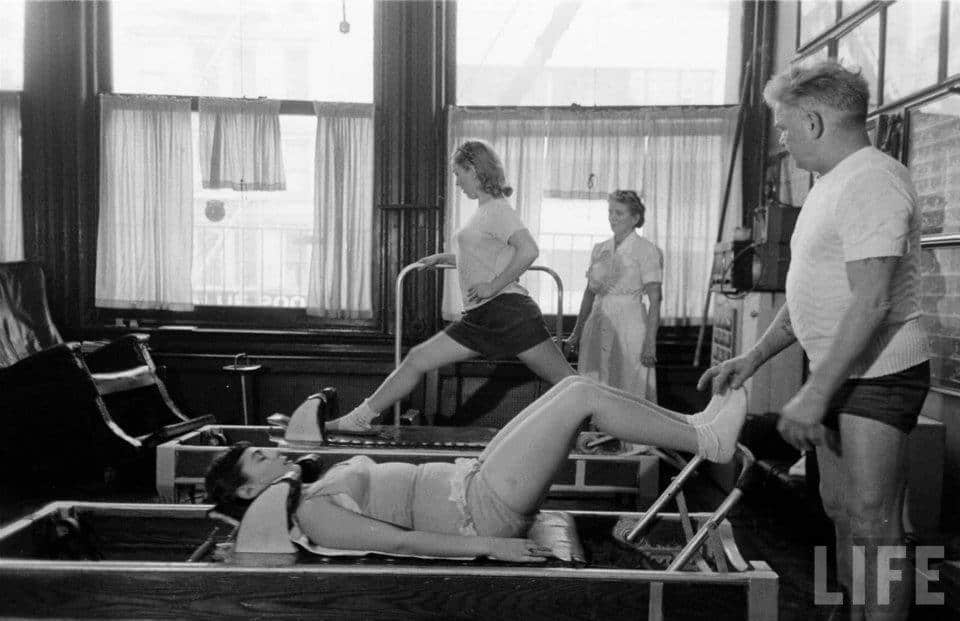
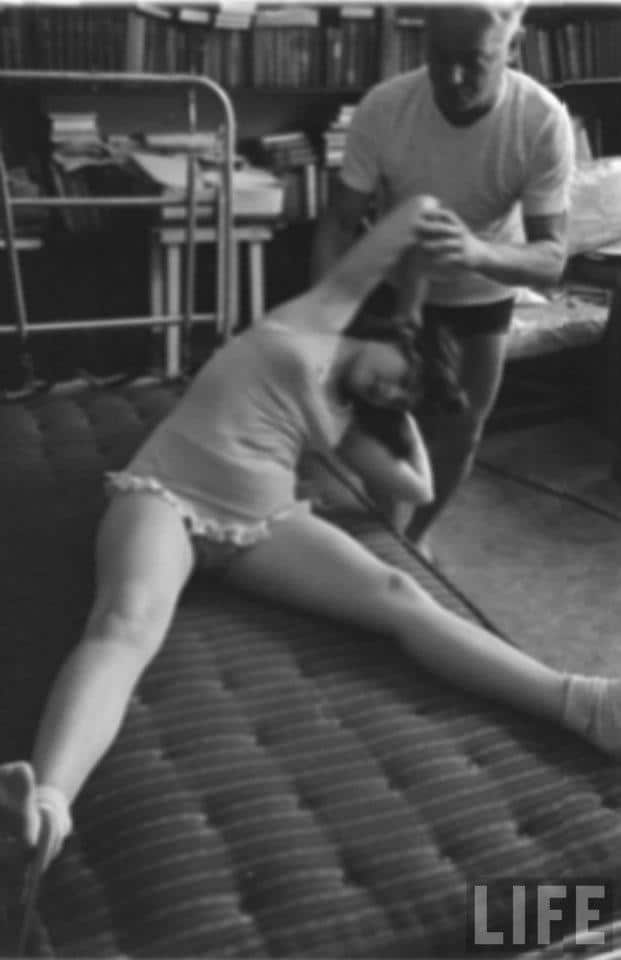
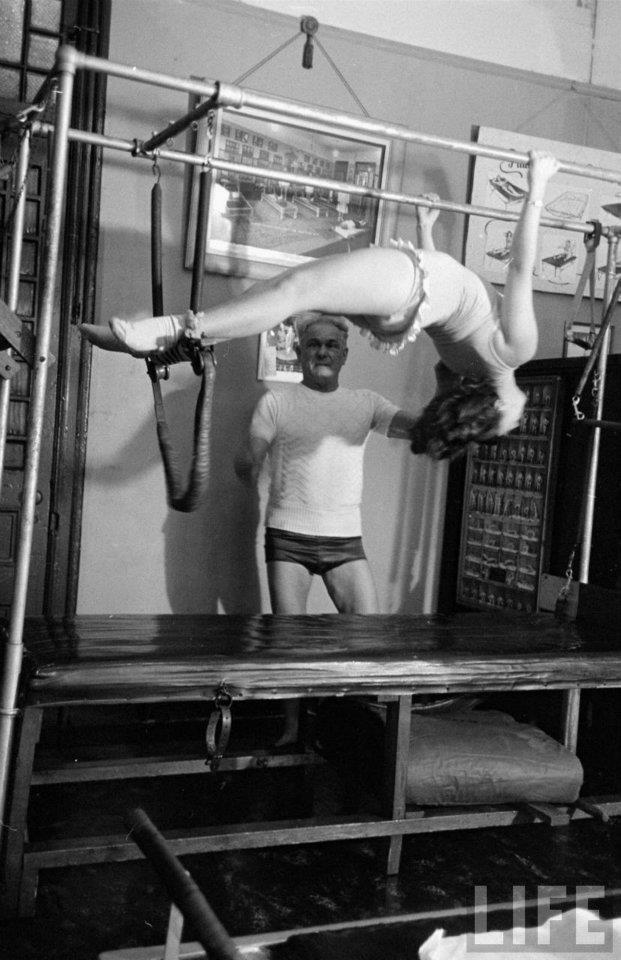
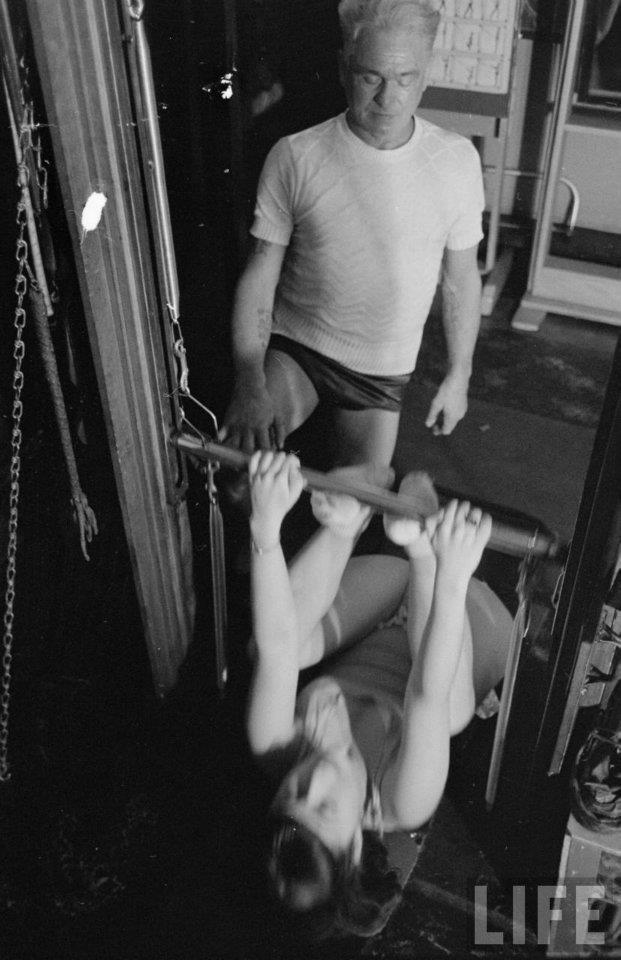
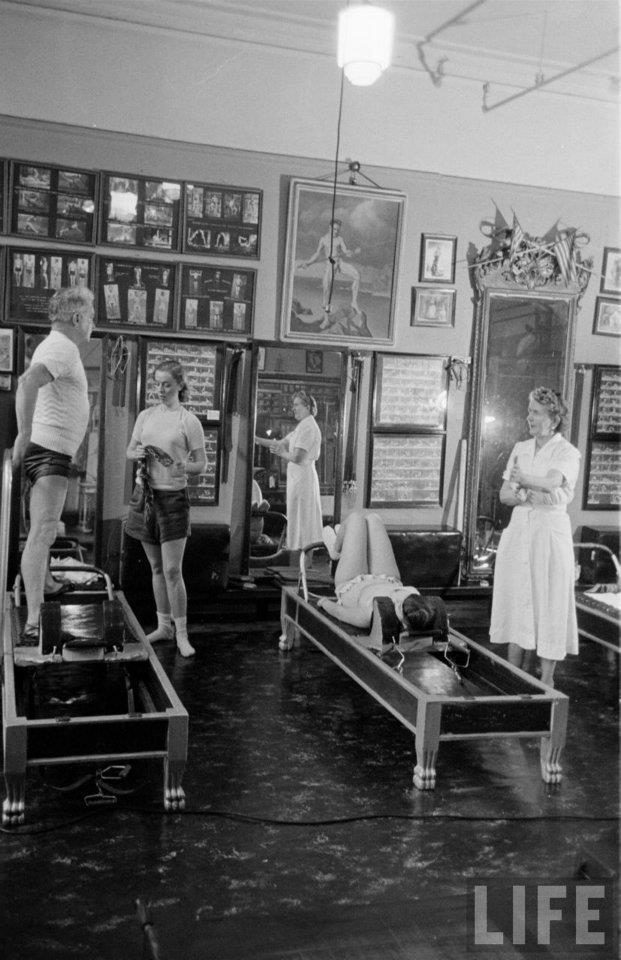
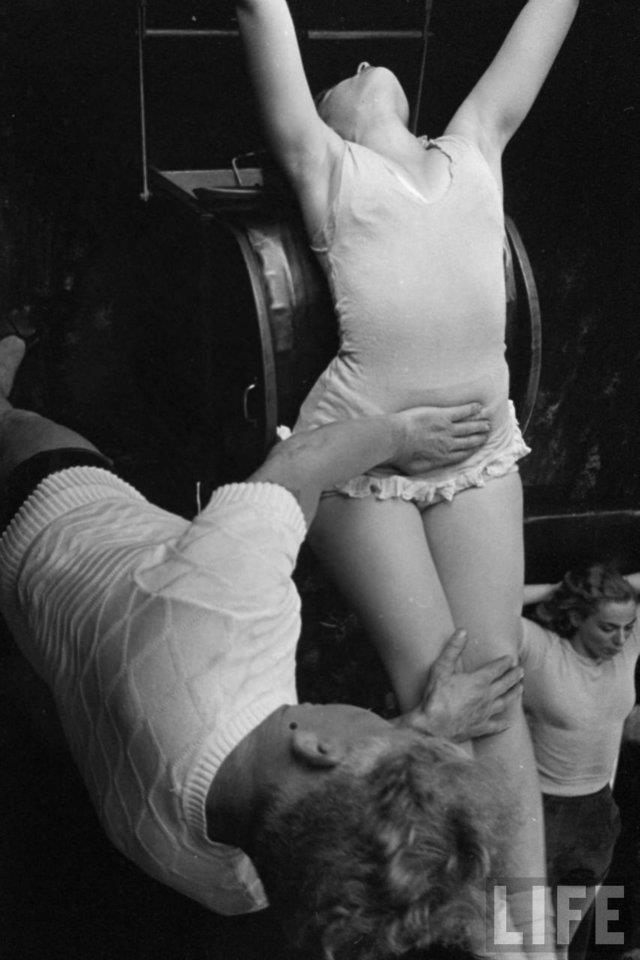
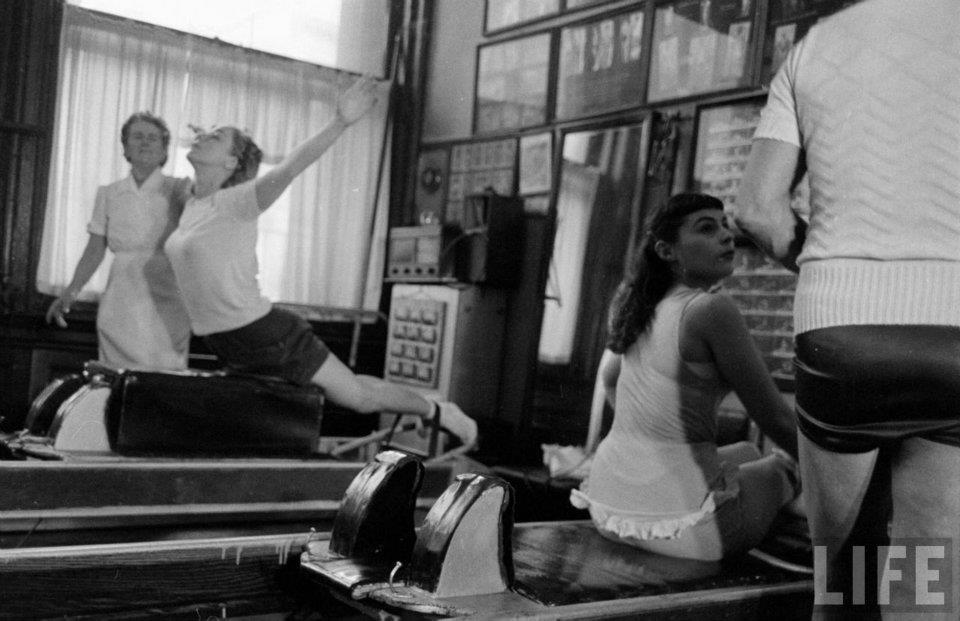
He emigrated to the United States in 1925 and met Clara, his future wife, during his transatlantic voyage. Together, they founded a studio in New York, where they continued to teach and supervise their students until the 1960s. They developed a method they initially called Contrology, which emphasized the role of the mind in muscular control, focusing particularly on the major postural muscles essential for human balance and spinal support. Among their students, the couple maintained close contact with many prominent figures in the New York dance scene: artists such as George Balanchine and Martha Graham quickly became devotees of his technique, regularly recommending this training and rehabilitation method to their own students.
Joseph Pilates authored several books, including “Return to Life Through Contrology” (1945) and “Your Health” (1934). He also invented numerous pieces of equipment useful for developing his technique, holding over 26 patents. A genius ahead of his time, Joseph Pilates died in 1967 at the age of 87. For decades afterward, his disciples carried on his teachings with passion, reflecting the success of modern Pilates, which is now practiced worldwide.